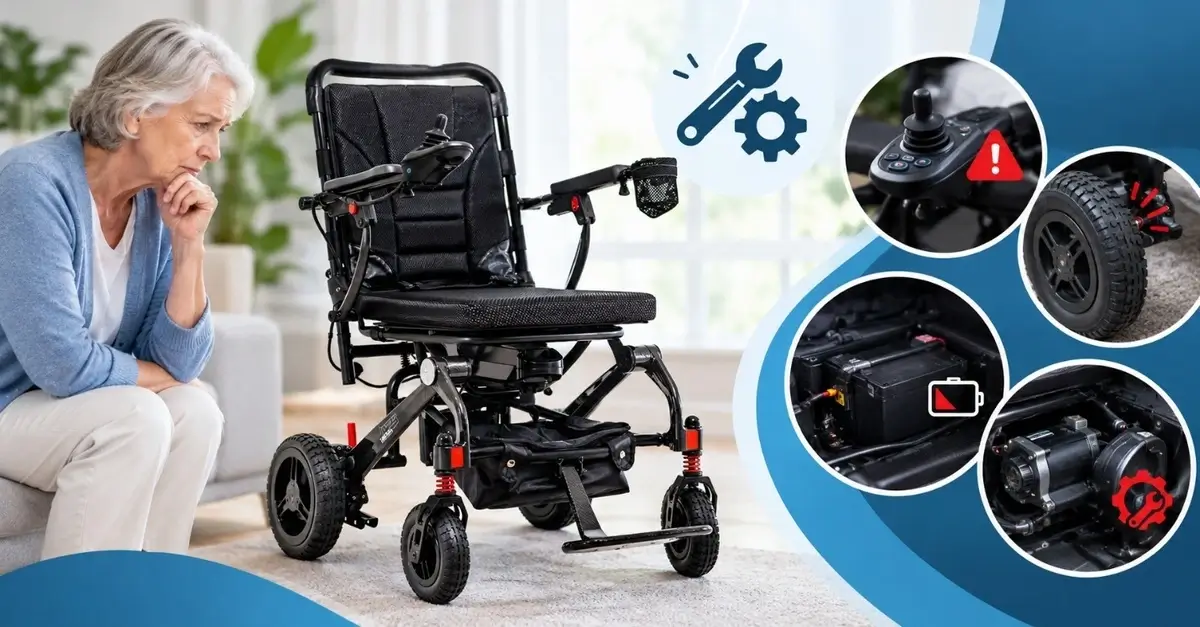
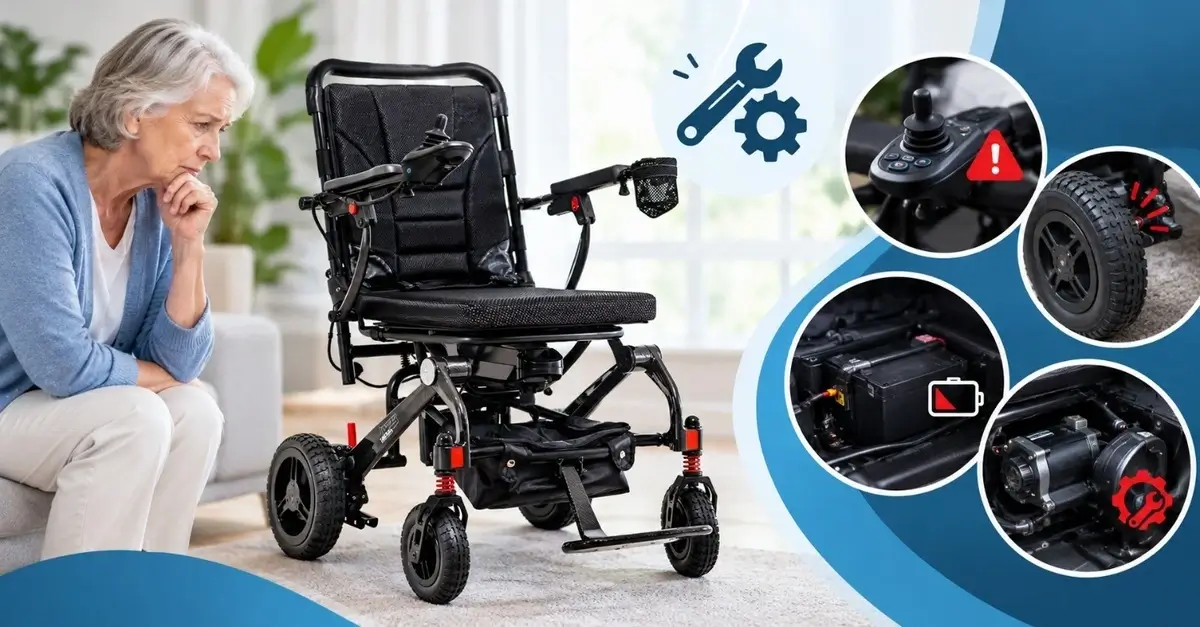
A wheelchair that hesitates, stutters, or goes quiet at the wrong moment can turn an ordinary morning upside down. Knowing when to look into electric wheelchair repair is the first step toward getting your freedom back, and the good news is that most issues have clear, fixable causes. We have spent years working alongside riders, caregivers, and families, so we want to walk you through what we see most often and how to approach it with confidence.
Before anything else, take a breath and look at the basics. Is the power switch fully on? Are the battery connectors snug? Is the freewheel lever set to drive rather than push? You would be surprised how often a chair that seems dead is simply sitting in manual mode or has a loose plug. Check the charger light too, and make sure the outlet works by plugging in a lamp. These two minutes of checking can save you a trip, and if everything looks right but the chair still hesitates, you have gathered useful details that help a technician pinpoint the cause quickly.
Mobility equipment is personal. The same model can behave differently depending on how someone sits, drives, and lives with it every day. That is why many families searching for wheelchair repair in NJ tell us they want a technician who understands their routine, not just the machine. Local teams can arrive faster, know the terrain riders deal with, from cracked sidewalks to snowy ramps, and stay available for follow-up questions. A repair that fits your daily life is worth far more than a quick fix that ignores it.
Over the years, a handful of concerns have come up again and again, and each one has a clear path forward. Here are the ones we see most:
Most of these respond well to timely attention, and many are completed in a single visit.
Your chair talks to you, just not in words. A slight pull to one side, a new vibration under the footplate, or a battery gauge that jumps around are all small messages. Riders who notice them early tend to have the easiest repairs, because a worn brush or a loose wire is far simpler to address than a problem left to grow. We encourage you to keep a quick note on your phone describing what happened, when it happened, and what the chair was doing. That little log becomes a roadmap for the technician and often shortens the whole process.
There is a point where a bit of tinkering gives way to expert hands, and that point arrives sooner than most people expect. Anything involving the controller, motors, wiring, or brakes calls for professional electric wheelchair repair, since these parts affect your safety every single time you move. A trained technician has diagnostic tools that read error codes, test battery capacity under load, and confirm that every function performs the way the manufacturer intended. Handing the work to a specialist also protects your warranty and gives you peace of mind that the chair will behave predictably tomorrow.
A little routine care goes a long way. Charge your batteries overnight rather than letting them run to empty, wipe down the joystick and armrests weekly, and keep tires properly inflated if your chair uses pneumatic ones. Store the chair indoors when you can, since temperature swings are tough on electronics and battery life. Many riders also schedule a yearly inspection, much like a car tune-up, so small adjustments happen before they become interruptions. These habits are easy and inexpensive, and they let you enjoy the chair rather than think about it.
A chair that works well is more than equipment. It is your independence, your errands, your time with family. At Elmora Health Care, we treat every repair with that in mind, and we take pride in getting riders back to their routines with care and clear communication. If your chair is acting up or you simply want a checkup, reach out to us today to schedule a repair visit. Give us a call or send a message, tell us what you have noticed, and we will take it from there.
BLOGS